

Critical & Intensive Care
Dr. Muhammad Ahmad
Medical Consultant
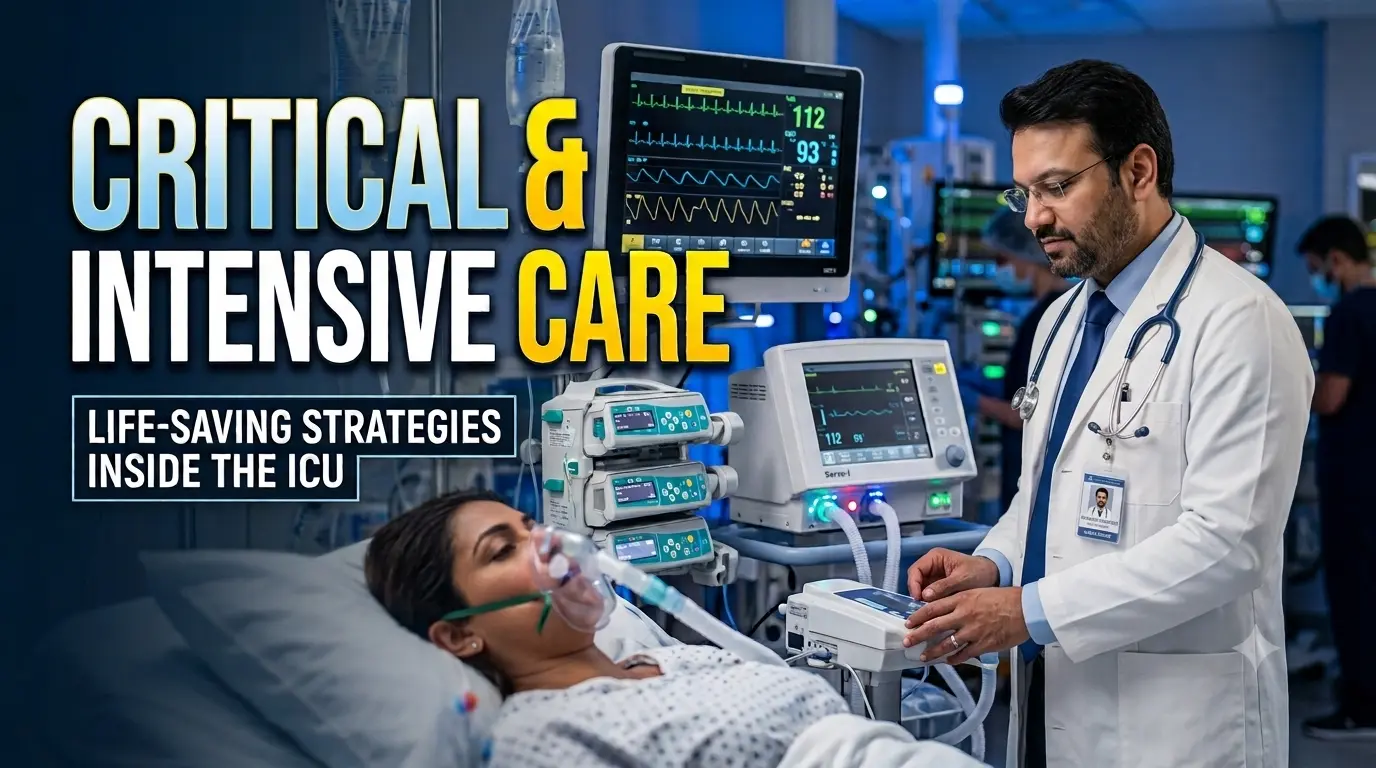
Navigating Critical & Intensive Care: What Every Family Should Know
Walking into an Intensive Care Unit (ICU) for the first time can feel like entering a completely foreign world. The constant beeping of monitors, rows of complex machinery, and high-stakes atmosphere can easily overwhelm patients and their loved ones.
During a critical illness or severe injury, the ICU serves a singular, life-saving purpose: providing continuous, specialized care to stabilize the body's most vital organs.
Understanding how the ICU functions, who makes up your care team, and how to advocate for a loved one can bring clarity and peace of mind during a challenging time.
What Is Critical & Intensive Care?
Intensive care is a specialized branch of medicine dedicated to treating patients facing life-threatening conditions. These patients require advanced organ support, continuous monitoring, and round-the-clock medical intervention.
Unlike general hospital wards, where a nurse might care for several patients at once, ICUs maintain high nurse-to-patient ratios—often one nurse for every one or two patients. This ensures that even subtle shifts in a patient’s vital signs are noticed and addressed immediately.
Common Reasons for ICU Admission
A patient may be admitted to the ICU directly from an emergency room, after major surgery, or following a sudden turn on a general medical floor. Common conditions managed in critical care include:
Severe Respiratory Failure: Conditions like acute respiratory distress syndrome (ARDS), severe pneumonia, or life-threatening asthma flare-ups requiring mechanical ventilation.
Sepsis & Septic Shock: A severe, body-wide response to infection that can lead to rapid organ failure and dangerously low blood pressure.
Cardiovascular Crises: Heart attacks, cardiac arrest, severe heart failure, or recovery after open-heart surgery.
Trauma & Major Surgery: Severe injuries from accidents, traumatic brain injuries, or planned recovery following complex surgical procedures.
Neurological Emergencies: Major strokes, brain hemorrhages, or status epilepticus (prolonged seizures).
Unpacking the Technology: Common ICU Equipment
The array of devices surrounding an ICU bed can look intimidating, but each piece plays a vital role in supporting recovery:
Mechanical Ventilator: A machine that assists or takes over breathing for patients through a tube placed down the windpipe (endotracheal tube) or a tracheostomy.
Multiparameter Patient Monitor: Continuously displays heart rate, rhythm, blood pressure, body temperature, and blood oxygen levels ($SpO_2$).
Infusion Pumps: Devices that deliver precise, continuous doses of essential medications—such as sedatives, pain relievers, and vasopressors (medications that maintain blood pressure)—directly into the bloodstream.
Central Venous Lines & Arterial Lines: Special catheters placed in larger veins or arteries to allow precise blood pressure tracking, frequent blood sampling, and safe delivery of concentrated medications.
Dialysis / CRRT Machines: Continuous Renal Replacement Therapy (CRRT) provides gentle, 24-hour kidney filtration for critically ill patients whose kidneys have temporarily stopped functioning.
The Multidisciplinary Care Team
Critical care relies on a closely coordinated team of specialists working together around the clock:
Intensivists: Board-certified physicians specialized in critical care medicine who lead the medical team.
ICU Nurses: Highly trained registered nurses who deliver direct bedside care, administer complex treatments, and monitor vital signs minute-by-minute.
Critical Care Pharmacists: Specialists who ensure medication dosages, drug interactions, and administration methods are safe and tailored to organ function.
Respiratory Therapists (RTs): Experts who manage ventilators, oxygen therapy, and airway health.
Physical & Occupational Therapists: Work early in the recovery process to prevent muscle wasting and support physical rehabilitation as soon as the patient is stable.
Case Managers & Social Workers: Provide emotional support, assist with insurance logistics, and plan for safe transitions out of the ICU.
How Families Can Support Their Loved One in the ICU
Having a loved one in intensive care is emotionally taxing. While medical professionals manage the physical illness, family members play an essential role in emotional support and decision-making.
Designate a Primary Spokesperson: Choose one family member to communicate directly with the care team. This prevents miscommunication and allows nurses to spend more time focused on direct patient care.
Participate in Daily Multidisciplinary Rounds: Ask the team when morning or afternoon rounds occur. Joining these discussions gives you a direct update on the day's goals and plan of care.
Take Care of Yourself: Rest, eat regular meals, and step away from the bedside when needed. Caregiver exhaustion is real, and staying healthy enables you to make clear, thoughtful decisions.
Personalize the Environment: Check with the nursing staff about bringing a few small, familiar items—such as family photos, a favorite blanket, or playing familiar music softly.
The Takeaway
Intensive care medicine represents the absolute pinnacle of hospital care, blending advanced technology with expert human clinical judgment. While the ICU environment can feel daunting, every monitor, tube, and protocol is designed to give critically ill patients the strongest possible foundation for recovery and healing.
Disclaimer: This article is for informational purposes only and is not a substitute for professional medical advice, diagnosis, or emergency healthcare services. Always speak directly with your attending medical team regarding specific care decisions.